Russia test-fired a Bulava intercontinental ballistic missile from the submerged submarine Generalissimo Suvorov in the Sea of Okhotsk. NHK reports Japan is considering Indian missile ranges for Type-25 tests, and Switzerland has narrowed its second air defence choice to SAMP/T NG or Barak MX. Germany reportedly plans to test Ukraine's Bars cruise missile.
Russia’s test-firing of the MIRV capable Bulava submarine-launched ballistic missile (SLBM) from a Borei-A class submarine demonstrates that the naval leg of its nuclear triad retains a robust second-strike capability should its land-based deterrent be compromised. Launched from SSBNs operating beneath the Arctic ice or in protected bastions, these missiles are far harder to detect and target than fixed silos. This test underscores Russia's operational readiness and comes in direct response to recent nuclear drills conducted by NATO, France, the UK, and the US.
Japan’s reported interest in Indian missile ranges highlights the deepening India-Japan defence partnership and Tokyo’s efforts to diversify its weapons-testing infrastructure. Following earlier joint exercises involving Japanese F-2 aircraft and the Indian Air Force, the move could expand military interoperability and technical cooperation. It also strengthens the strategic foundations of the QUAD by improving defence coordination among Indo-Pacific partners. While not a formal QUAD military arrangement, closer bilateral cooperation could enhance regional deterrence amid growing Chinese military activity and reinforce a shared commitment to a stable Indo-Pacific.
Switzerland’s consideration of Israel’s Barak MX and the French-Italian SAMP/T NG reflects Europe’s growing focus on strengthening air and missile defence amid mounting security threats and delays in US weapons supplies. Acquiring a second system would broaden Switzerland’s ability to intercept aircraft, cruise missiles and ballistic missiles while diversifying its defence partnerships. The move also aligns with Europe’s wider push to reduce reliance on external suppliers and build greater strategic autonomy. Switzerland plans to retain its Patriot order, with a decision on the additional system expected in early 2027.
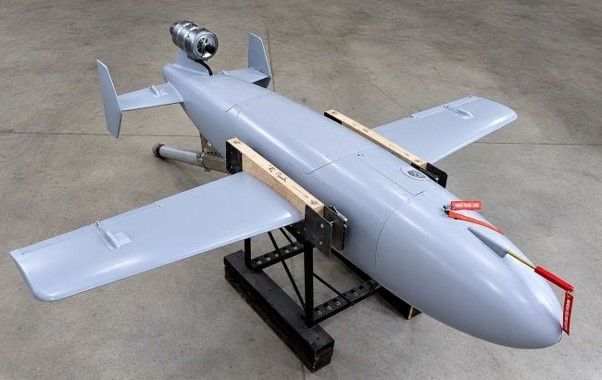
In a global trend where countries are rallying to fill their arsenals with low-cost cruise missiles, Germany seems to have tapped Ukraine—a nation that, since the beginning of the war with Russia, has remained a primary beneficiary of allied military aid. Several weapons, such as the Bars cruise missile, have emerged from the conflict and been tried and tested in combat, garnering interest from across the globe.
1Russia test-fires Bulava missile from Borei-A submarine
The Russian Navy launched an R-30 Bulava intercontinental ballistic missile from the submerged submarine Generalissimo Suvorov in the Sea of Okhotsk. It was part of Pacific Fleet training activities.
Why it matters: The launch shows Russia continues to test and exercise the sea-based part of its nuclear forces.
2Japan reportedly looks to Indian missile ranges for Type-25 tests
Japan's broadcaster NHK reported that Japan is looking to India for opportunities to train and test, with Indian missile ranges considered for Type-25 missile tests. The summaries available give no further detail.
Why it matters: If pursued, it would add a practical testing element to Japan–India defence cooperation.
3Switzerland narrows second air defence choice to SAMP/T NG or Barak MX
Switzerland will choose its second air defence system from the European SAMP/T NG and the Israeli Barak MX. The defence department head, Martin Pfister, said the ministry can no longer afford mistakes after the F-35A dispute, Patriot delays and extra costs, and problems with Hermes 900 drones.
Why it matters: The decision comes as Swiss procurement is under close scrutiny and will shape the country's future air defence capability.
4Germany plans to test Ukraine's Bars cruise missile
Berlin intends to test the Ukrainian-made Bars cruise missile, according to Defence24. Germany is reportedly seeking cheaper long-range firepower.
Why it matters: The report presents the move as part of efforts to strengthen deterrence against Russia. It also suggests Germany may shift from donating arms to Ukraine to buying Ukrainian systems.