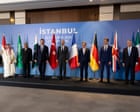
RAF Typhoons escorted French Rafales on a simulated nuclear strike in Exercise RUMMY, while an Istanbul meeting of eight countries' foreign ministers urged the US and Israel not to renew strikes on Iran. Ukraine and Russia agreed a local ceasefire for Oleshky, per The Kyiv Independent. Also: Saudi missile plant expansion, Indian Navy Rafale Marine trials.
Editor's take
The recent Exercise RUMMY, involving British Eurofighter Typhoons and French Rafales, underscores the commitment of the two cross-Channel allies to European security and deterrence. The simulated nuclear-strike mission demonstrates how conventional airpower can support strategic deterrence and highlights growing British-French military cooperation. It also reinforces France’s efforts to strengthen the European dimension of its nuclear deterrent, while both countries retain independent control over their respective nuclear arsenals.
For India, which operates French-made Rafale fighters, Exercise RUMMY offers a glimpse into the aircraft’s potential in high-end strategic operations. Although India’s Rafales have not been publicly confirmed as part of its operational nuclear-delivery force, the Indian Air Force is assessed to rely on Mirage 2000 and Jaguar aircraft for its air-based nuclear deterrent. France’s demonstration of the Rafale in a simulated nuclear-strike mission highlights its potential to undertake a similar role in India’s future, should New Delhi choose to integrate it into its nuclear posture.
The Istanbul summit, bringing together several European and West Asian countries, highlights growing international concern that renewed US-Israeli strikes on Iran could trigger a wider regional war, destabilise the Middle East and disrupt vital maritime routes. Calls to restore safe passage through the Strait of Hormuz underline the global economic stakes. For India, which imports most of its crude oil, prolonged disruption could drive up oil prices, fuel inflation, threaten energy supplies and endanger Indian seafarers across the Gulf.
The local ceasefire agreement in Oleshky offers a limited humanitarian breakthrough in the Russia–Ukraine war, potentially enabling aid deliveries and civilian evacuations amid severe shortages of essential supplies. The arrangement tests whether localised agreements can reduce civilian suffering despite the absence of a broader peace deal. Its success will depend on both sides respecting the truce and ensuring safe humanitarian access. However, the agreement does not signal a wider ceasefire or a major shift in the war, highlighting the continuing challenges to achieving lasting peace between Russia and Ukraine.
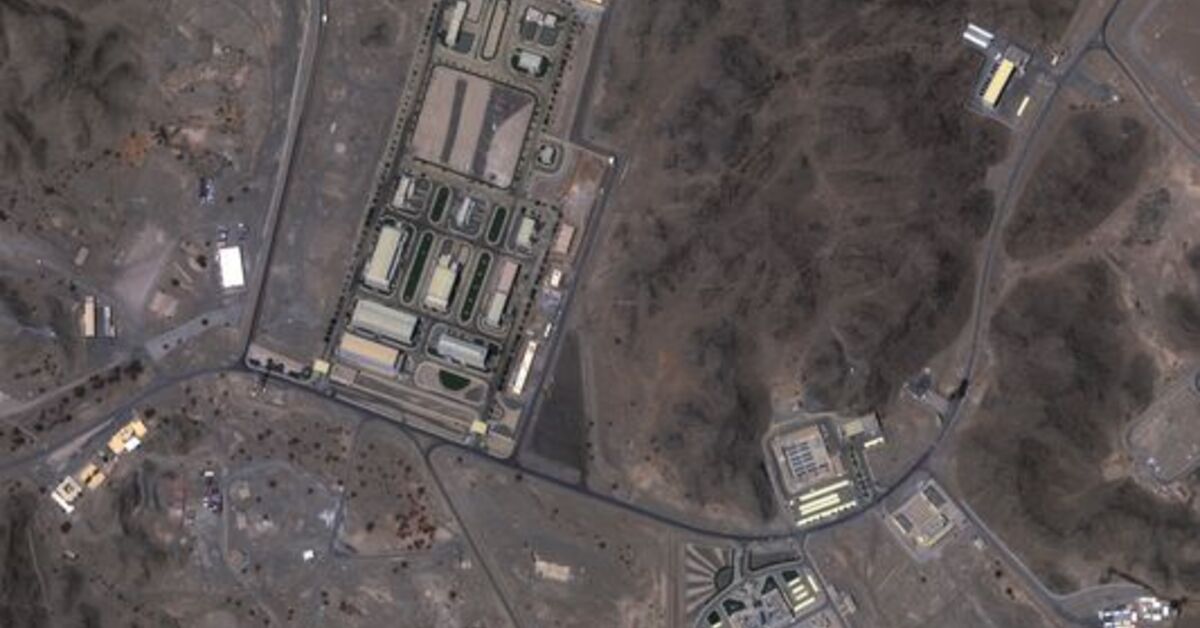
With increasing attacks by Iran-aligned militias on Riyadh and Saudi energy infrastructure, the kingdom appears to have recognised the importance of developing a self-reliant, indigenous ballistic missile production capability. Saudi Arabia, which has previously acquired ballistic missiles from China, appears to be expanding its capacity to develop more advanced, longer-range solid-fuel missiles that could potentially reach targets in Iran. Such capabilities could strengthen its deterrence against Tehran and regional proxy groups threatening Saudi security. Saudi Arabia’s acquisition of Chinese-origin ballistic missiles, alongside reports of their use in Yemen, also highlights its willingness to employ missile capabilities in regional conflicts.
The Indian Navy’s Rafale-M trials mark a significant step towards strengthening India’s carrier-based airpower and expanding its ability to project power across the Indian Ocean. The trials will assess the French fighter’s suitability for operations from India’s ski-jump-equipped aircraft carriers, including INS Vikrant. Once inducted, the aircraft will enhance fleet air defence, maritime-strike capabilities and reconnaissance, strengthening India’s ability to protect vital sea lanes and counter regional maritime threats. The programme will also help address limitations in the ageing MiG-29K fleet, deepen India-France defence cooperation, improve interoperability and potentially enable the integration of indigenous weapons, further advancing India’s long-term naval modernisation goals.
All reporting and photos belong to the original publishers.