Drone strikes in the Black Sea check NATO's resolve.Elsewhere, France readies its 5th Nuclear submarine for launch;US Navy has awarded HII contracts for developing the SSN-AUKUS submarine; Trump has waived off Russia sanctions and Conscription rates in Estonia rise.
Russian drone strikes on cargo vessels near NATO members Bulgaria and Romania raise questions about the alliance’s preparedness to counter Russia’s expanding military threats. Moscow may be testing NATO’s resolve and response by escalating attacks near its southeastern flank, challenging the alliance to strengthen its deterrence without triggering a wider conflict.
Furthermore, attacks on commercial vessels carrying grain, oil and other commodities expose the vulnerability of global shipping routes during wartime. Rising security risks can drive up maritime insurance premiums and transportation costs, ultimately increasing commodity prices and disrupting international trade.
France’s readying the launch of the Rubis highlights its ambition to assume a greater role in European defence and strengthen its strategic autonomy amid growing uncertainty over US security commitments. The expansion of its nuclear-powered attack submarine fleet enhances its ability to protect maritime interests, conduct independent operations and reinforce conventional deterrence. Alongside President Emmanuel Macron’s push to extend France’s nuclear umbrella to European allies through closer cooperation and forward deterrence, the programme underscores Paris’s ambition to emerge as a leading pillar of European security against an increasingly assertive Russia.
The US Navy’s $56 million contract with HII for SSN-AUKUS development highlights the growing importance of undersea warfare in countering China’s expanding maritime power. By advancing next-generation nuclear-powered attack submarines for Australia and Britain, the agreement further deepens the AUKUS defence cooperation and strengthens allied industrial integration. The programme reflects Washington’s broader strategy of building a technologically advanced coalition to preserve deterrence against the Chinese and maintain the balance of power in the Indo-Pacific region.
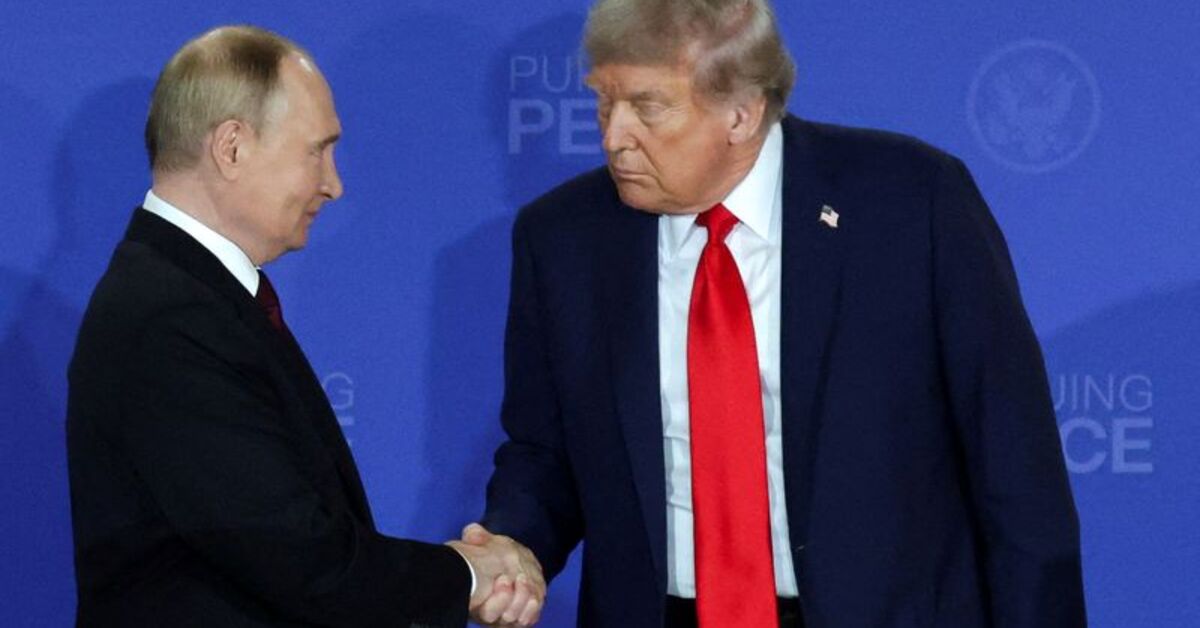
President Donald Trump’s decision to waive Russia-related sanctions and tariffs days before they were due to take effect reflects Washington’s attempt to balance its strategic objectives with domestic economic pressures, particularly the need to contain fuel prices. For Ukraine, however, the move undermines efforts to weaken Russia’s war economy by allowing major buyers such as India and China to continue purchasing Russian energy without facing the newly proposed penalties.
For India, the waiver offers temporary relief from Washington’s economic coercion and highlights the limits of using trade restrictions to influence New Delhi’s energy policy. However, the reprieve is not permanent. India must use this breathing space to develop a long-term strategy that safeguards its energy security, protects its export interests and preserves its strategic autonomy amid shifting US policy.
1Drone attacks hit cargo vessels in the Black Sea
At least seven cargo vessels have been attacked by drones in the Black Sea this month. The attacks took place off the coasts of NATO members, including Romania, according to AP reporting carried by The Mainichi.
Why it matters: The reporting says the attacks have raised fears that Russia could escalate in order to test NATO's response. The location of the attacks, close to alliance members, makes the incidents relevant to security in the region and to the safety of commercial shipping.
2France's new Rubis nuclear attack submarine readied for launch
French defence outlet Opex360 reports that the new nuclear attack submarine Rubis has been positioned on its launching system in preparation for launch. The report's summary also refers to De Grasse, the fourth Barracuda-class boat, which began sea trials under the supervision of the DGA armaments directorate and the CEA's military applications division.
Why it matters: The report shows France's Barracuda-class nuclear attack submarine programme continuing to move forward, with one boat in sea trials and another nearing launch.
3US Navy awards HII $56 million for SSN-AUKUS submarine development
The US Navy has awarded HII, a shipbuilder, $56 million for development work on the SSN-AUKUS nuclear-powered submarine. The submarine is intended for the United Kingdom and Australia.
Why it matters: The award shows the US Navy is directly funding design and development work on the AUKUS submarine. It further conveys Washington's commitment to deter a growing Chinese navy in the Indo-Pacific by strengthening its allies and engaging their defence industries in the region.
4US president waives many Russia-related sanctions and tariffs
President Donald Trump issued an executive order waiving many sanctions, restrictions and duties days before they were due to take effect under a bill he signed into law last month. The order follows his recent warmer tone toward Russia and public criticism of Ukrainian President Volodymyr Zelenskiy, including a suggestion that Ukraine needs a new leader.
Why it matters: The waivers remove or delay measures that the new law would have brought into force against Russia, which bears on the economic pressure applied over the war in Ukraine. Taken with the criticism of Zelenskiy, it points to a change in Washington's approach to the conflict, though the report does not detail the practical effects.
5Estonia's conscription no-show rate falls to 2% in 2025
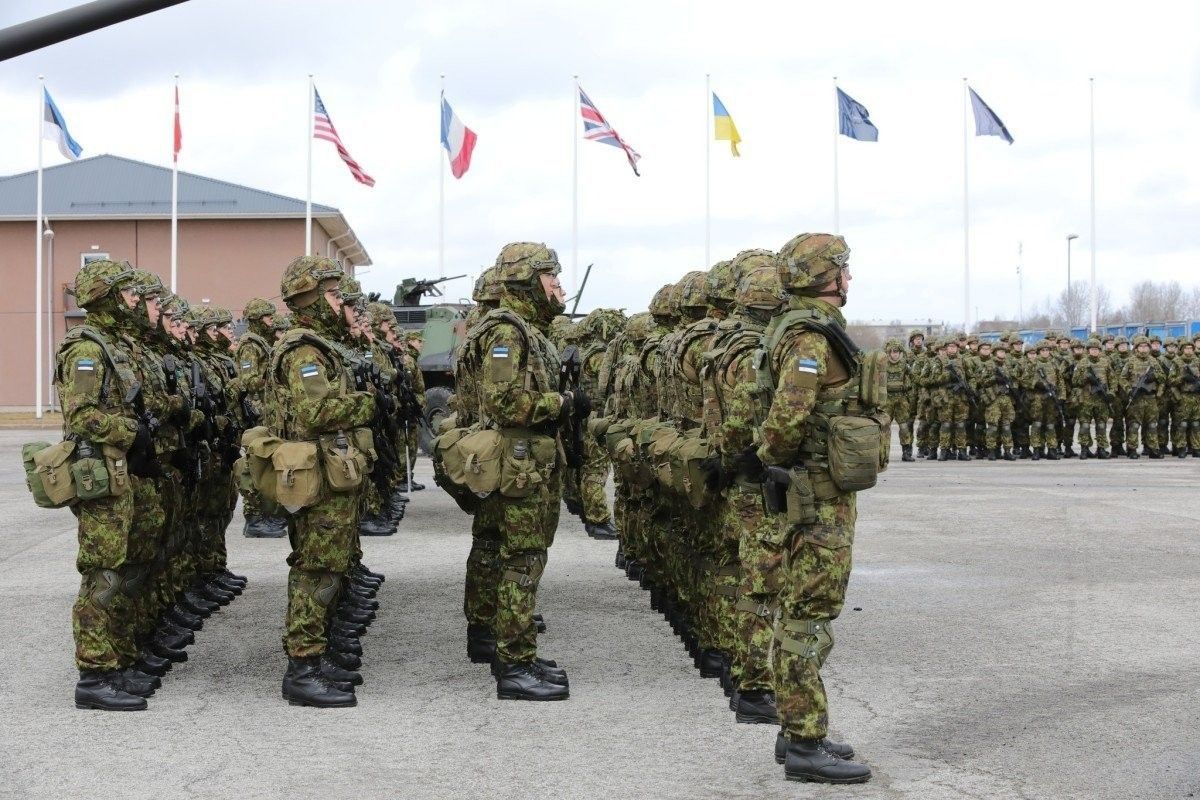
The share of Estonians who failed to report for compulsory military service fell to 2 percent in 2025. Defence24 links the figure to Tallinn's work to turn conscription into a more demanding system of national readiness.
Why it matters: Estonia’s conscription no-show rate falling to 2% in 2025 highlights growing public participation in national defence amid persistent concerns over Russia. The improvement strengthens Estonia’s ability to build a trained reserve, enhance mobilisation readiness and reinforce NATO’s northeastern flank, where preparedness remains critical to deterring potential Russian aggression.