MI5 warns of Increasing cyberthreats from Russia and Iran.Saudis Intercept Houthi missile. Pakistan has tested its Fatah-2 ER missile. US Generals call for more drills with South Korea & the Indian Navy is training the Cypriot Navy.
Editor's take
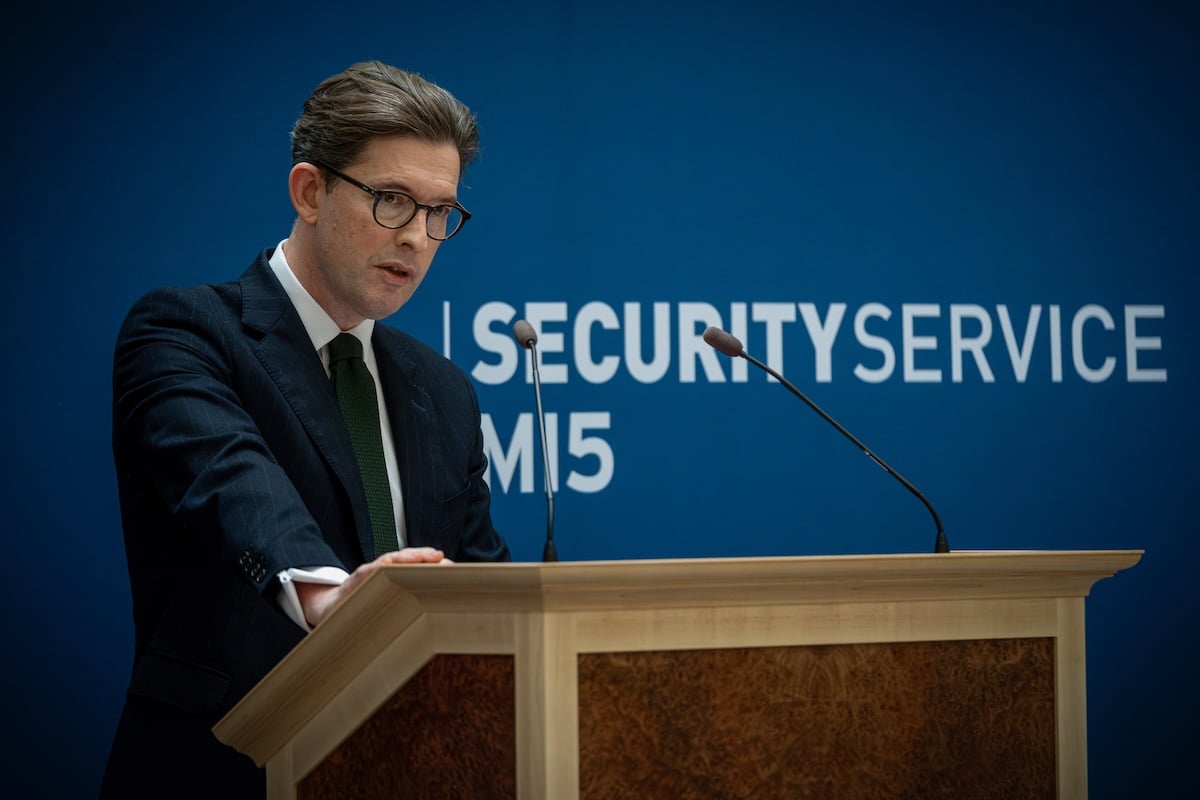
MI5’s warning highlights how warfare has evolved beyond the conventional battles we have traditionally known, increasingly taking on a hybrid character. Cyberattacks, disinformation campaigns and political interference have become new fronts in the confrontation between the West and countries such as Russia, China and Iran, which are accused of using these tactics against the United Kingdom. Consequently, a persistent form of warfare is being waged against Western countries and their institutions below the threshold of open military conflict. MI5 identified Russia as Britain’s “aggressor number one” and raised broader questions about how such attacks should be addressed through collective security mechanisms.
Furthermore, Saudi air defences intercepted a Houthi ballistic missile over Riyadh. While this demonstrates the Saudi-led coalition’s ability to neutralise incoming threats, its effectiveness against sustained saturation attacks remains uncertain. A coordinated barrage combining ballistic missiles, low-cost drones and other projectiles could overwhelm Saudi air defences, exposing vulnerabilities in the Kingdom’s ability to protect its critical infrastructure and population centres.
Pakistan’s test of the Fatah-2 Extended-Range missile, reportedly capable of striking targets up to 400 km away, underscores Islamabad’s continued efforts to expand the range and survivability of its conventional missile arsenal, enabling it to strike deeper into Indian territory. Pakistan’s military has described the missile as hypersonic, although this claim remains unverified, with key technical details, including its actual range and speed, yet to be disclosed. Overall, the test highlights the Pakistani establishment’s sustained investment in strengthening its land-based rocket force and precision-strike capabilities.
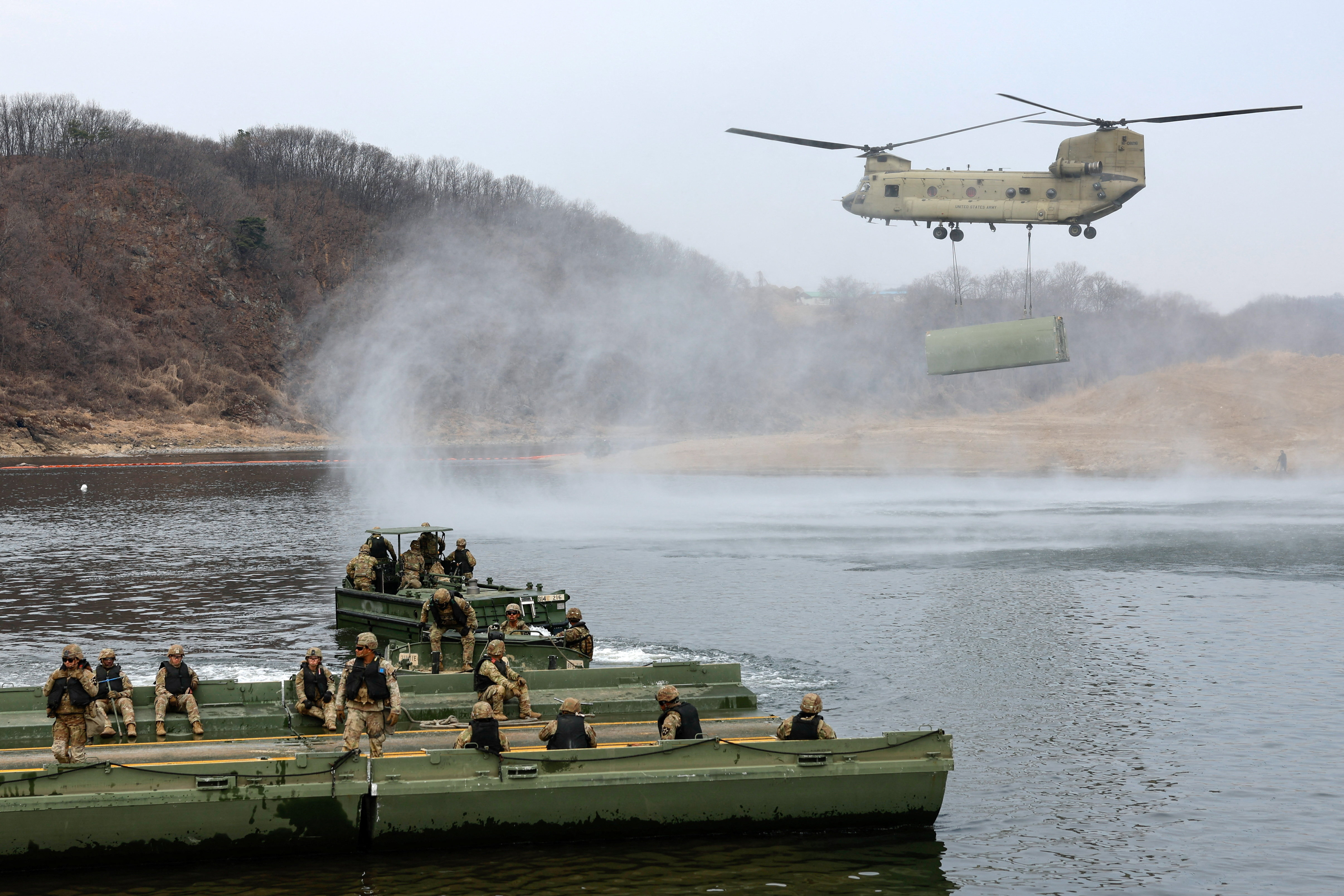
Senior US military officials have advocated expanding the scale and frequency of joint military exercises with South Korea, drawing lessons from the war in Ukraine and the need to strengthen combat readiness against an increasingly capable adversary. However, this position contrasts with President Donald Trump’s calls to scale back joint exercises and press Seoul to assume a greater share of the financial burden for its own defence. These competing signals have fuelled concerns in South Korea that Washington could gradually reduce its military commitments to the peninsula. For Seoul, the stakes are particularly high as North Korea continues to advance its missile and nuclear capabilities, while deepening strategic cooperation with Russia. Any perceived weakening of the US security guarantee could prompt South Korea to accelerate its own defence modernisation, increase military spending and reconsider the extent to which it can rely on Washington as the ultimate guarantor of its security. The debate therefore reflects a broader challenge for the US alliance system - balancing demands for greater burden-sharing with the need to reassure allies that American deterrence commitments remain credible.
India’s offer to train the Cypriot Navy reflects New Delhi’s growing strategic engagement in the Eastern Mediterranean and its efforts to deepen defence ties with European partners. The initiative could strengthen maritime security cooperation, improve naval interoperability and create opportunities for defence-industrial collaboration, broadening India’s strategic reach beyond the Indo-Pacific. These engagements could further deepen strategic convergence among India, Greece, Cyprus and Armenia, as they seek to expand defence cooperation and protect their respective regional interests. This growing alignment also needs to be viewed against the backdrop of closer defence ties among Türkiye, Pakistan and Azerbaijan, raising the prospect of competing strategic partnerships across the Eastern Mediterranean, the South Caucasus and South Asia.
3Pakistan army test-fires Fatah-2 extended-range missile
Dawn, citing the military's media wing ISPR, reports that the army carried out a successful test launch of the Fatah-2 extended-range missile. The report describes the missile as hypersonic.
Why it matters: Pakistan's successful Fatah-2 ER test signals efforts to expand its conventional precision-strike capabilities and engage targets deeper inside adversary territory. Its claimed manoeuvrability could complicate missile interception, although its actual range and effectiveness remain undisclosed. For India, the development reinforces the need to strengthen early-warning systems and integrated air and missile defences.
Sources: Dawn ↗
All reporting and photos belong to the original publishers.