Trump announced an energy ceasefire between Russia and Ukraine, though Kyiv appeared unaware of it. An emergency in Pakistan's Khyber Pakhtunkhwa, and a NATO exercise also featured.
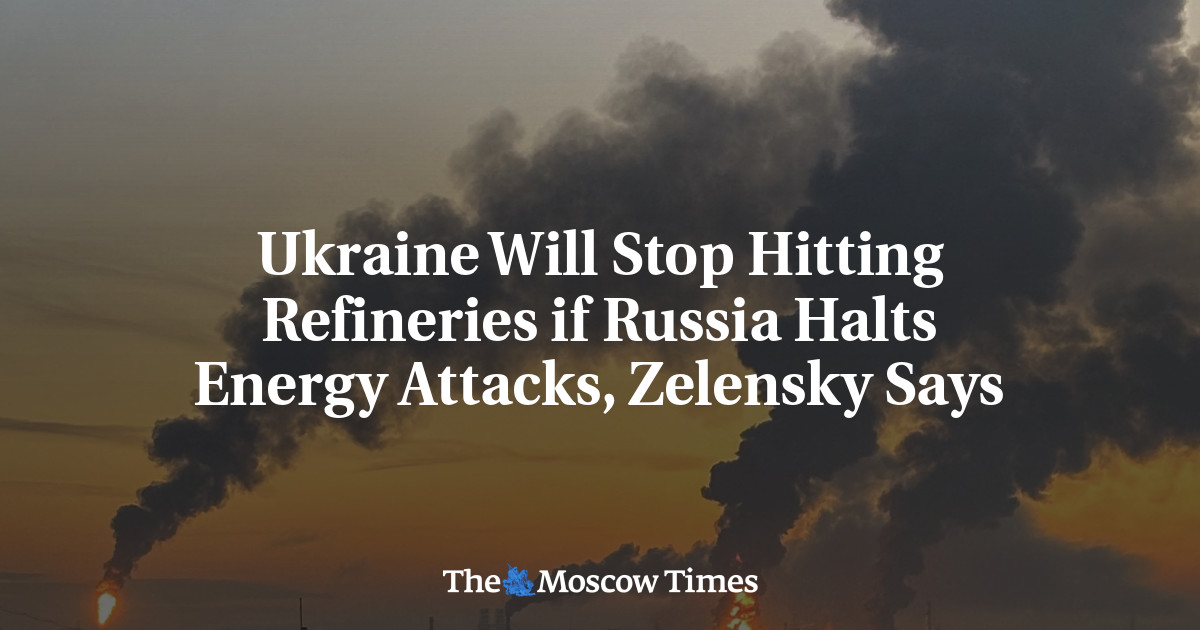
Trump’s announcement of an energy ceasefire on social media, if it holds on the ground, could benefit the region and help stabilise global energy prices. It would help protect critical energy infrastructure in both Russia and Ukraine as winter approaches.
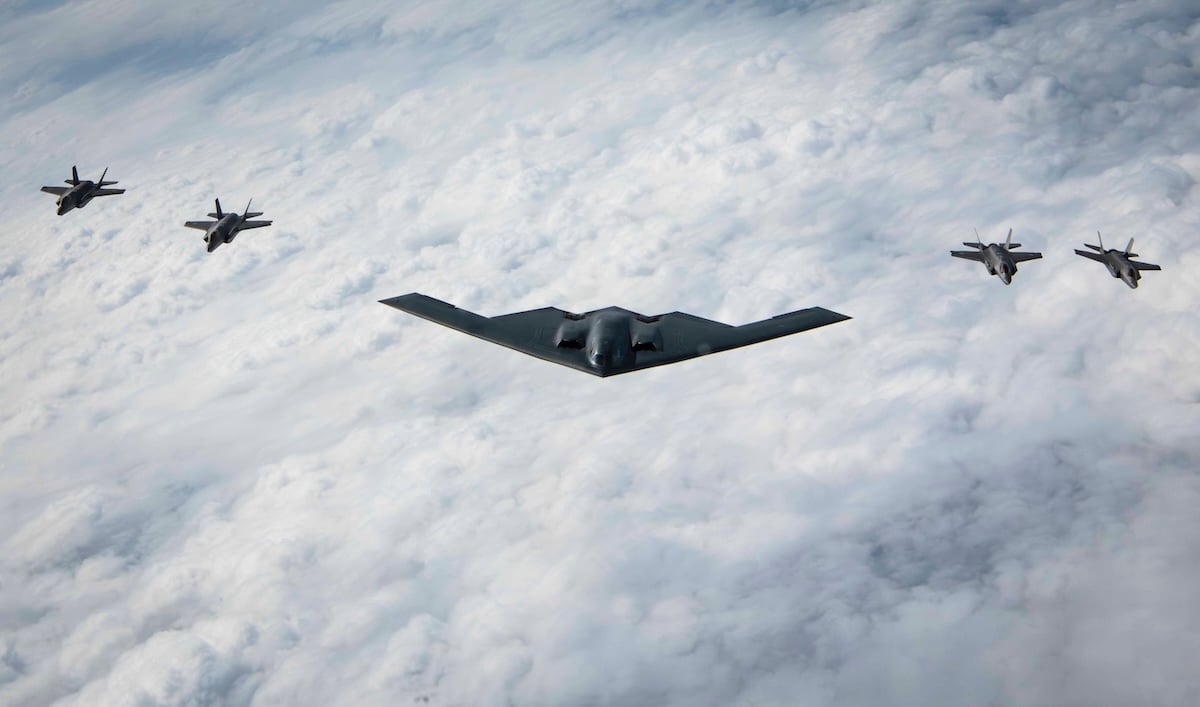
NATO’s annual nuclear deterrence exercise, "Steadfast Noon", will begin on the 13th, aiming to test allied cooperation and interoperability in the event of a conflict with Russia. The exercise also comes days after Russia issued nuclear warnings to Europe and NATO, underscoring the West’s resolve to maintain a credible nuclear deterrent against a potential adversary.
Furthermore, the dissolution of the provincial government and the imposition of emergency measures in Pakistan’s Khyber Pakhtunkhwa (KP) province were widely anticipated, given the provincial government’s opposition to the federal government on several issues and PTI’s calls for marches demanding Imran Khan’s release. The move further reinforces the Pakistani hybrid regime’s control over KP and could be viewed as an attempt to weaken PTI’s influence in the province and across Pakistan. It may also raise concerns about the future of provincial autonomy and the possibility of redrawing administrative boundaries to create smaller administrative units. Islamabad has used the pretext of the province's inability to counter terrorists and administer to dismiss the government, yet this can result in further intensification of protests and confrontations between the PTI and the Federal government and in the long term lead Pakistan into a constitutional crisis.
1Trump announces Russia-Ukraine 'energy ceasefire'; Zelenskyy says deal is 'news to me'
Trump said on social media that an energy ceasefire between Russia and Ukraine was in effect immediately and that both sides had agreed. Zelenskyy said the deal to stop long-range attacks was 'news to me'. Earlier he had rejected a US call for Kyiv to stop bombing oil refineries until Moscow ends attacks on energy infrastructure.
Why it matters: Trump’s announcement of the so-called “energy ceasefire” could benefit both Ukraine and Russia by protecting critical energy infrastructure as winter approaches. It could also help stabilise global energy markets and safeguard energy supplies. However, deep mutual distrust raises doubts about whether either side will honour the commitment, particularly given past instances in which similar agreements have been violated.
2NATO to hold Steadfast Noon nuclear deterrence exercise in Italy
NATO will start its annual nuclear deterrence exercise, Steadfast Noon, in Italy on October 13. Seventeen nations will take part.
Why it matters: NATO’s Steadfast Noon exercise underscores the alliance’s commitment to maintain a credible nuclear deterrent amid escalating tensions with Russia. It tests allied coordination, nuclear readiness and cooperation between conventional and nuclear forces. The exercise also sends a strategic message of unity and preparedness, reinforcing deterrence while seeking to prevent potential adversaries like Russia from miscalculating NATO’s combined resolve.
3US conducts G/ATOR radar drills in the Philippines
The US has carried out drills in the Philippines with the G/ATOR radar system, according to a report carried by Taiwan's defence ministry. The drills were meant to verify rapid deployment.
Why it matters: The drills test how quickly US radar capability can be moved into the Philippines, which is relevant to Indo-Pacific defence posture. It is very critical for the US and Philippines for the radar's fast deployment and integration to counter arial threats, drones and missiles in case of a war like situation in the South China Sea.
4Pakistan declares emergency in Khyber Pakhtunkhwa, suspends PTI government
An emergency has been declared in Pakistan's Khyber Pakhtunkhwa province and that the provincial government led by the PTI has been suspended. The report describes Pakistan's internal problems as mounting, with no solutions in sight.
Why it matters: Suspending an elected provincial government points to growing internal instability in Pakistan, which matters for regional security in South Asia. It was widely anticipated to happen due to the tussle between the Federal government and Imran Khan's Pakistan Tehreek-e-Insaaf (PTI) over Islamabad's blame that the provincial government was not doing enough to counter terrorism.