Taiwan's leader welcomes US-China talks;Elsewhere, Russian strikes on Ukraine drew a public dispute between Kyiv and Washington, & 12 have died in the Houthi attacks on Riyadh International.
Taiwan has long feared that under President Donald Trump, Washington might prioritise its economic interests and trade ties with China over Taiwan’s security, potentially using the island as a bargaining chip in negotiations with Beijing. These concerns have been compounded by delays to major US arms packages at a time when the Chinese PLA continues its military incursions and operations around Taiwan. For Taipei, US–China dialogue offers a means of reducing the risk of military confrontation and safeguarding the global trade and technology supply chains that depend on stability in the Taiwan Strait.
Meanwhile, Trump’s decision to ease sanctions to facilitate Russian diesel imports has drawn criticism from Ukraine and raised wider concerns about the West’s strategy towards Moscow. With Russia continuing its war against Ukraine, renewed American trade with Moscow risks generating revenue that could help sustain its military campaign, while undermining the financial pressure Western governments have sought to impose on the Kremlin. The move also raises questions about Washington’s consistency in penalising countries such as China and India for purchasing Russian petroleum while itself seeking access to Russian fuel supplies.
Ultimately, Trump’s decision appears driven by short-term domestic political calculations. By easing restrictions and securing additional fuel supplies, his administration may hope to contain energy prices and shield American consumers from rising costs ahead of the midterm elections. Keeping fuel prices under control could prove politically advantageous, even if the policy creates strategic contradictions and strains relations with allies such as Ukraine.
1Taiwan's Lai welcomes US-China talks on reducing conflict risk
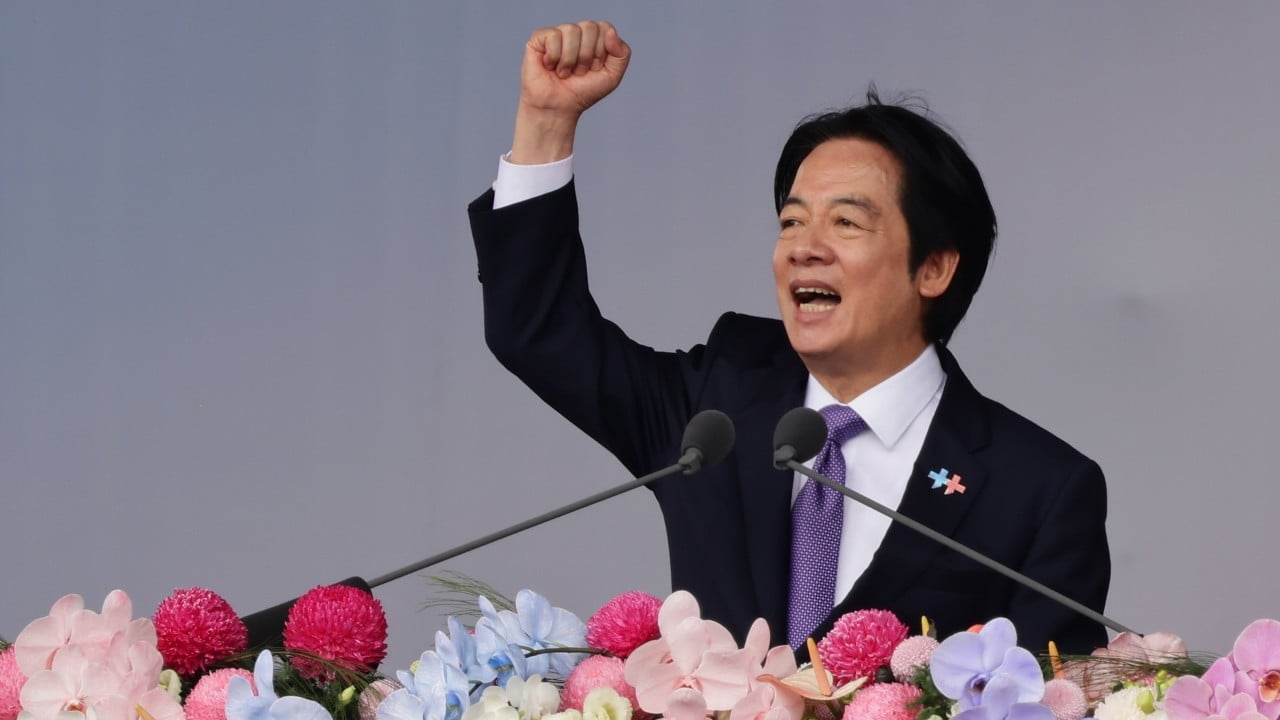
In his annual Double Tenth address, Taiwanese leader William Lai Ching-te welcomed talks between Washington and Beijing aimed at reducing the risk of conflict. He also called on democracies to work together to safeguard regional peace and asked that the Taiwanese people's right to exist be respected. Beijing said he had shown his true colours and accused him of stirring up confrontation.
Why it matters: Taiwan’s Lai welcomes US–China talks as a means of reducing conflict risks across the Taiwan Strait. However, Taipei fears Trump could prioritise trade with Beijing over Taiwan’s security, potentially making the island a bargaining chip in broader strategic negotiations.
2Russian strikes kill at least 20 in Ukraine as US eases diesel sanctions
Russian attacks killed at least 20 people, including four children according to one report, after Washington moved to ease sanctions on Russian diesel. Trump and Zelensky traded criticism over the decision.
Why it matters: The Moscow Times calls this the week's third mass-casualty Russian attack, and says Zelensky offered some of his sharpest criticism yet of Trump. The dispute exposes friction between Kyiv and Washington over how to pressure Moscow.
3Strike on Riyadh international airport kills at least 12
Saudi civil aviation officials said at least 12 people were killed and 309 wounded on Saturday in a strike on Riyadh's international airport.
Why it matters: The strike hit a major civilian aviation hub and caused heavy casualties, including foreign nationals: four Saudis, two Bangladeshis, one US citizen and one Egyptian were among the dead. The Mecca pact and the possibility of its activation further complicates this attack.