Houthi missile attacks on Riyadh airport killed three people and prompted a wider European aviation warning. Elsewhere, South Korea tested a hypersonic glide vehicle, Ukraine reported strikes on Russian missile-related sites, and Greece spends $4 billion on US weapons.
The Houthi attack on Riyadh's airport marks an important escalation in the ongoing conflict as it does have the potential to trigger the Mecca pact involving Ankara and Islamabad. It also disrupts the global air traffic which was already severely impacted by the US-Iran war. The South Koreans, days after the North tested their own Hypersonic glide vehicle; which has intensified the missile race on the Korean peninsula amid uncertainty over US's defence commitments in the region.
1Houthi attacks on Riyadh airport kill three
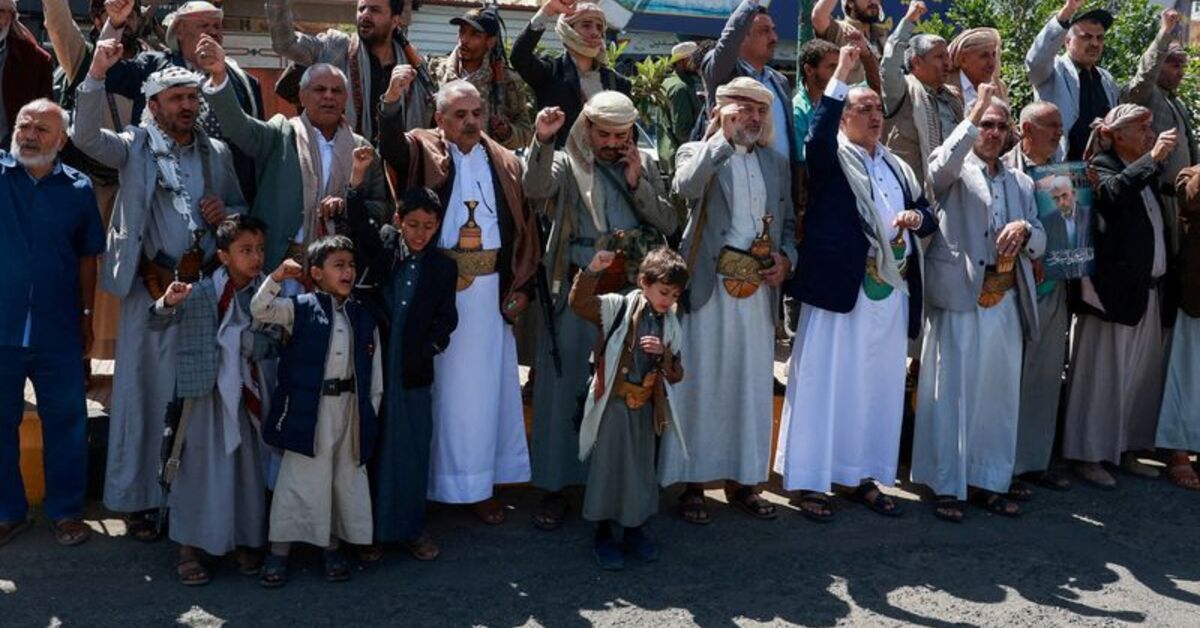
Saudi authorities said three people were killed and several injured in Thursday's Houthi attacks on Riyadh airport, which also damaged a Saudia Airlines plane. Many airlines cancelled flights to the capital, and Europe's aviation safety agency EASA widened its recommended no-operate area in Saudi airspace to include part of the northwest.
Why it matters: The Houthi strikes on Riyadh highlights the escalating threat to Saudi Arabia’s security amid renewed regional tensions. The attacks expose vulnerabilities in critical infrastructure, risk provoking further Saudi retaliation and action within the framework of the Mecca pact, though to what extent the allies would intervene is unclear. Flights and air traffic in the region are impacted.
2South Korea tests hypersonic glide vehicle for the first time
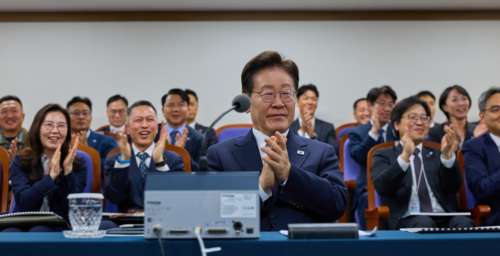
President Lee Jae Myung observed the first successful test of a domestically developed hypersonic glide vehicle on Thursday. The test came weeks after a North Korean hypersonic test.
Why it matters: South Korea’s successful hypersonic glide vehicle test, coming just days after North Korea’s hypersonic missile launch, underscores the intensifying missile race on the Korean Peninsula when the US is getting transactional and showing reluctance to support its allies militarily. The advanced weapon could challenge Pyongyang’s soviet-era air defences, bolster Seoul’s conventional deterrence and strengthen its drive towards greater indigenous defence capabilities.
3Ukraine confirms strikes on Russian missile fuel plant and facilities
Ukraine confirmed it struck a Russian plant that produces fuel for cruise missiles, along with other missile-related facilities.
Why it matters: Repeated attacks on Russian missile and missile related facilities could create production bottlenecks and impact the supply of long range missile to the Ukrainian frontline where they are getting exhausted at a fast pace.This does not mean that their production has stopped, but it demonstrates Kyiv's ability to strike inside Russia.
4Greece agrees about $4 billion in U.S. defence deals
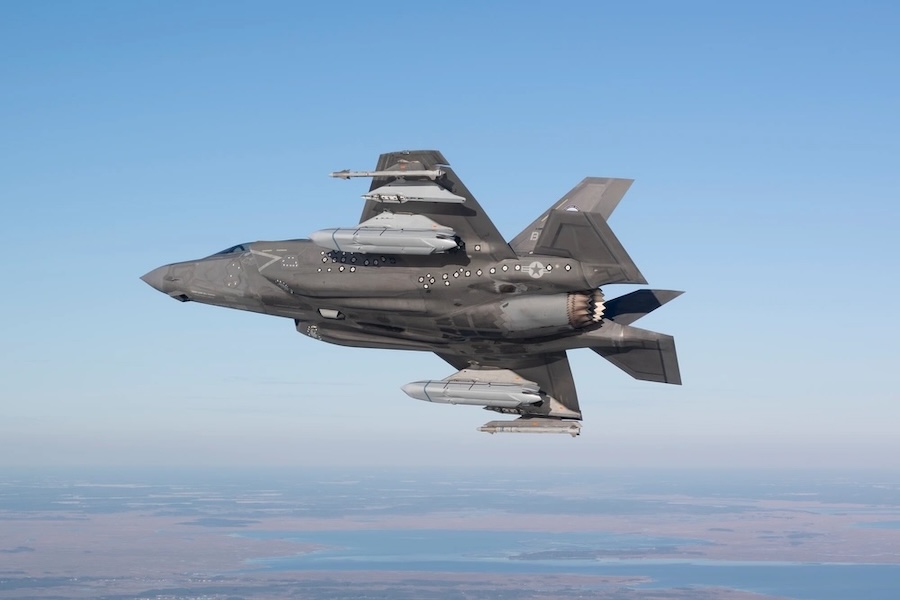
Greece has agreed to spend about $4 billion on U.S. weapons and equipment. The package would bring another 37 Greek F-16 fighters up to the Block 70 standard and fund weapons that its future F-35As can also carry.
Why it matters: The deal extends the modernisation of Greece's F-16 fleet and prepares weapons for its planned F-35As. America can also be seen doing a balancing act here as it is upgrading Turkish F16s as well but with an inferior radar and avionics than the Greeks. Meanwhile Secretary Rubio also pitched for F-35s for Portugal.