Ukraine's development of the FP-7 tactical ballistic missile is yet another weapon which has came out of the ongoing war. Kyiv, which was so far dependant upon the US for the ATACMS ballistic missiles and soviet era old models for use has thus developed a lower cost, homegrown alternative to the ATACMS which can be fired in greater numbers against Moscow. It further adds into the list of weapons which if perfected and battle tested can be exported to other nations, especially those who've inherited old soviet or Russian hardware.
1Ukraine confirms first combat use of new ballistic missile
Ukraine has used its homegrown FP-7 tactical ballistic missile in combat for the first time, President Volodymyr Zelenskyy said on Oct. 1, adding that the next step is production. “Ukrainian tactical ballistics. FP-7. First combat use. Thank you for the result. Next, production. Glory to Ukraine!” Zelenskyy said.
Why it matters: FP-7s development and combat use matters as it gives Kiev several advantages, which include not completely relying on western assistance for ballistic missiles and having a cost effective solution which can be produced in large numbers. Given the ongoing war has depleted the ballistic missile inventory of the US as well as Ukraine, and the global supply chain has several bottlenecks, this is a very important development. Further variants like the FP-9 aim to target Moscow as well, as the FP-7 so far remains a tactical weapon and has a shorter range.
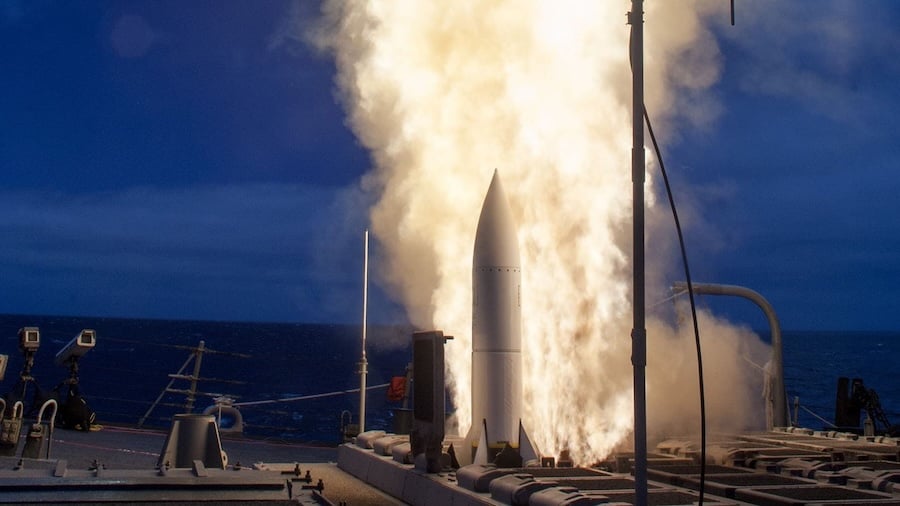
2U.S. Navy awards Raytheon SM-6 contract worth up to $24.4 billion to expand missile production for strike and defense missions
The U.S. Navy has awarded RTX’s Raytheon a five-year contract valued at up to $24.4 billion to accelerate SM-6 missile production.
Why it matters: The United states which usually signed annual contracts for missiles like SM-6 has signed a Five year contract to accelerate the missile's production with Raytheon, As the missile no longer remains just a ship launched interceptor missile but has air launched and land attack versions as well. Excessive depletion of stocks during the ongoing Iran war and the situation in the gulf with the Houthis is considered the main reason for this.
US Secretary of War, Pete Hegseth announced the creation of a new "Autonomous Warfare Command" at the State of the Force address at Quantico. It would be headed by a Four star general and function like a fully functional service.
Why it matters: The US is shifting from using legacy multi-billion dollar platforms to more cost effective autonomous and unmanned platforms. The wars in Ukraine and Iran have provided the need for this as the nature of warfare has changed. This new command further cuts down on red tape and can directly procure equipment and recruit on its own .