Three of the Royal Navy's four Vanguard class nuclear missile submarines are reportedly at sea at once, which naval sources called unusual. Russia is believed to be helping Iran and its allies target Saudi Arabia, and Ethiopia has received its first Su-35s. Also: Poland to host a PAC-3 maintenance facility, and a US report on China's space capabilities.
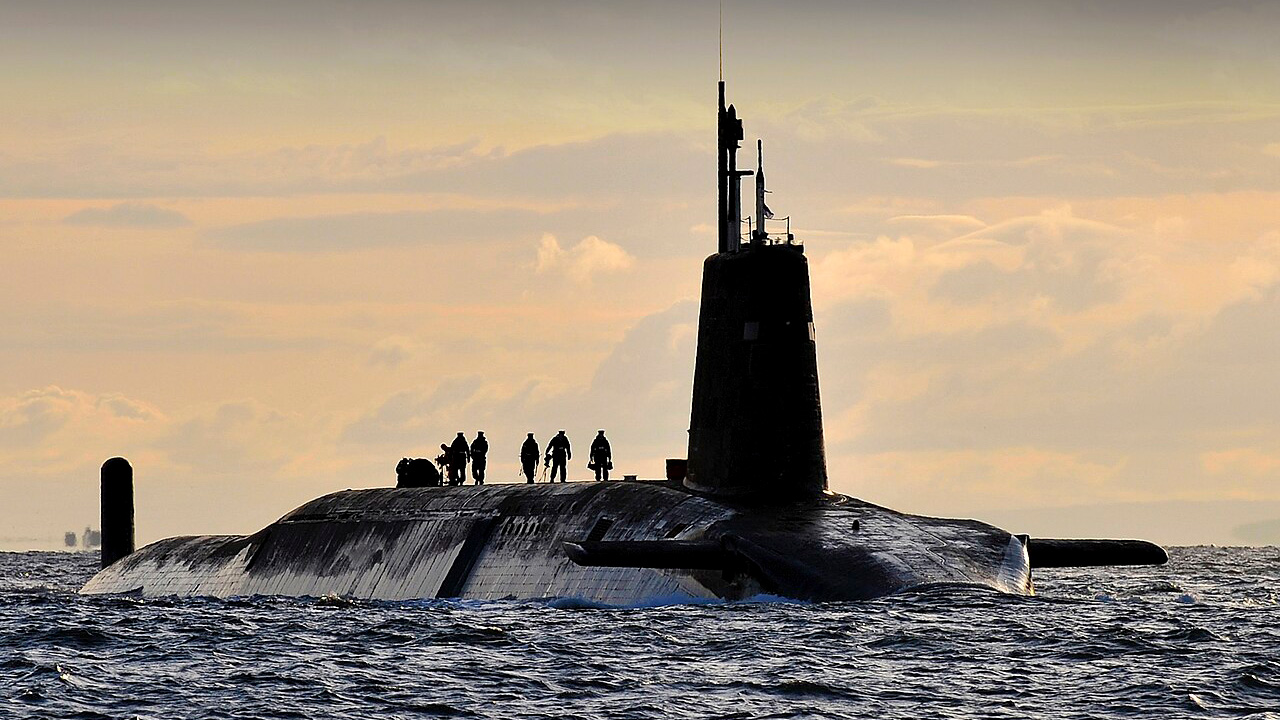
In a significant development, the Royal Navy has deployed three of its four Vanguard-class nuclear-armed ballistic missile submarines, demonstrating their operational availability and the Navy’s ability to sustain its nuclear deterrent. While only one submarine is reportedly armed with nuclear ballistic missiles, the deployment represents an effort by a navy otherwise hampered by budget cuts and political indecisiveness to project power globally and test its ability to sustain continuous at-sea patrols.
Reports have emerged claiming that Russia is providing Iran-backed militias, such as the Houthis, with satellite imagery to target Saudi Arabia. If true, this would add another dimension to the ongoing conflict, highlighting a potential realignment of geopolitical interests. While France, Italy and the UK bolster Saudi defences, Russia’s alleged cooperation with Iran-backed Houthis to precisely target Saudi military assets and oil infrastructure could further complicate regional security dynamics.
Ethiopia’s acquisition of Russian Su-35s highlights Moscow’s growing military footprint in Africa. These aircraft could strengthen Ethiopia’s air-superiority capabilities, potentially enhancing its ability to defend strategic energy infrastructure, such as the Grand Ethiopian Renaissance Dam, against aerial threats from Egypt and Sudan. They could also bolster the military’s ability to counter insurgencies in Tigray and Amhara. The acquisition further demonstrates that, despite Western pressure, the defence partnership between Ethiopia and Russia remains resilient.
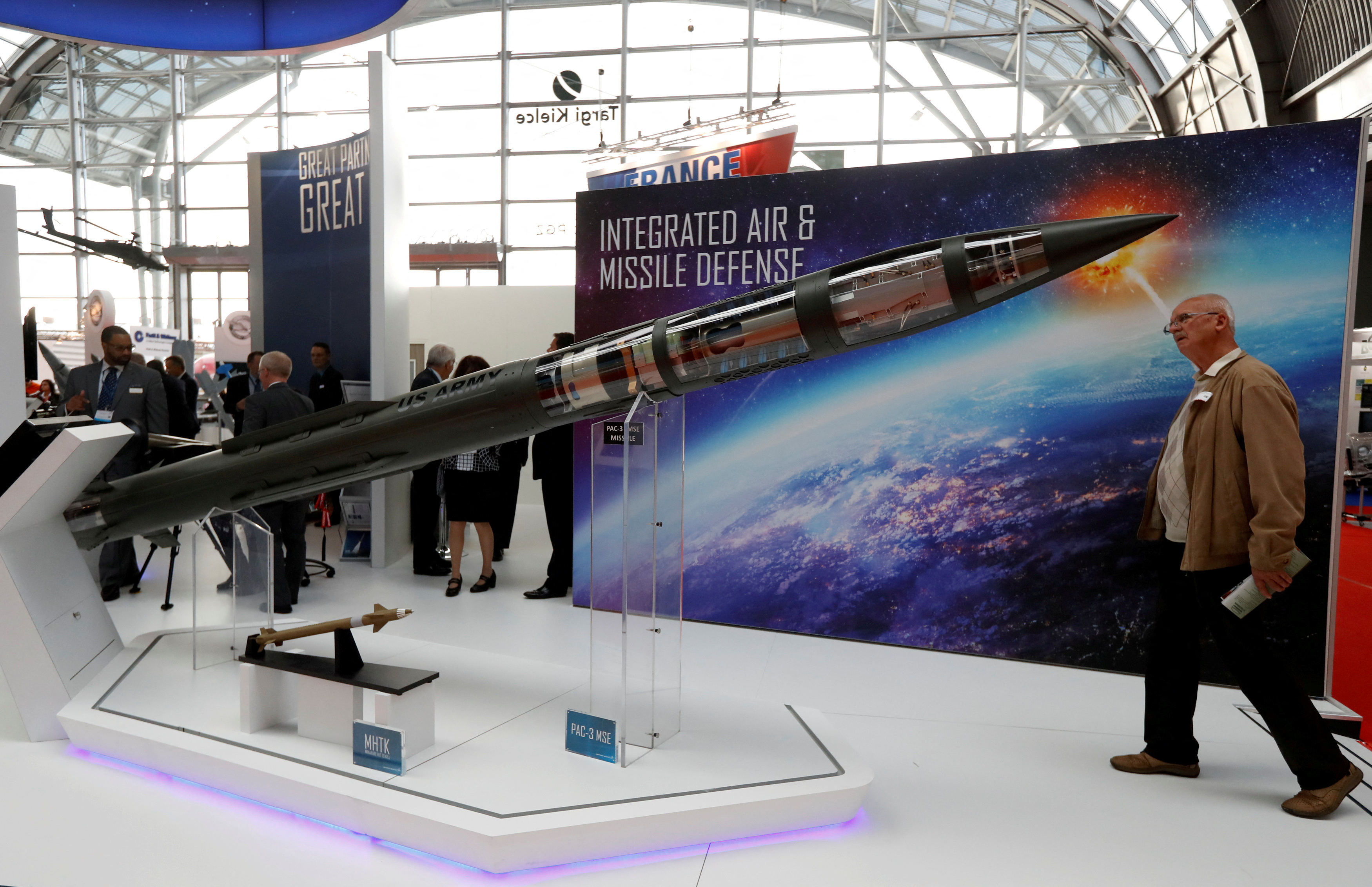
Poland’s selection for Europe’s PAC-3 maintenance hub reflects its massive air-defence investments, strategic proximity to NATO’s eastern flank, and robust defence industry. By eliminating long U.S. transit times for repairs, the facility drastically improves missile readiness, bolsters regional surge capacity, and cements Poland as Central Europe’s military sustainment anchor.
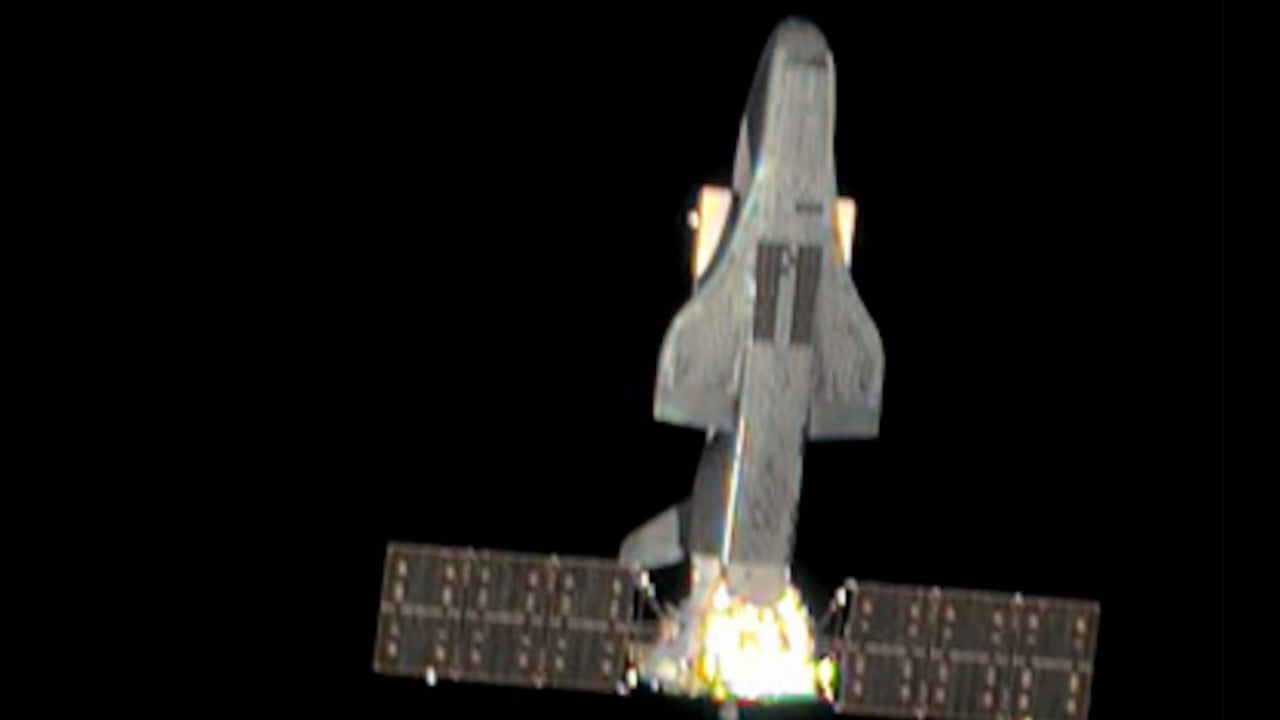
China’s Shenlong spaceplane mirrors the U.S. Space Force’s Boeing X-37B—both feature reusable, winged designs capable of remaining in orbit for months to conduct classified missions, deploy sub-satellites, and manoeuvre near opposing space assets. Coupled with ground- and space-based directed-energy weapons that can blind optical sensors without leaving kinetic debris, these capabilities transform orbit from a tactical support realm into an active war fighting domain. By threatening the space infrastructure essential for missile early warning, precision navigation, and strategic deterrence, Beijing's expanding counter-space arsenal fundamentally destabilises global military balance and drives an accelerating space arms race.
1UK Deploys Most of Its Vanguard Nuclear Submarine Fleet at Sea
Three of the Royal Navy's four Vanguard class ballistic missile submarines are at sea at the same time, according to reporting in The Times. Naval sources described the arrangement as unusual.
Why it matters: The Vanguard class is the Royal Navy's ballistic missile submarine force, so having most of the fleet deployed at once is notable for UK maritime and strategic force posture. The report does not give a reason, and the claim rests on unnamed naval sources, so it should be treated with caution.
2Russian satellites reportedly aid strikes on Saudi Arabia
Data and officials cited in reports say Russia is believed to be helping Iran and its regional allies target Saudi Arabia's oil and military infrastructure. The claim comes from data and officials cited by the reporting outlets.
Why it matters: The reports point to outside support for attacks on Saudi energy and military sites, which adds a further dimension to the wider Middle East conflict.
Prime Minister Abiy Ahmed said on 28 October that Ethiopia has taken delivery of its first 12 Russian Su-35 fighters. He added that the country will also receive four batteries of the S-400 long-range air defence system.
Why it matters: The delivery gives Ethiopia advanced Russian combat aircraft and, once the S-400 batteries arrive, long-range air defence. It reflects a defence supply link between Addis Ababa and Moscow.
5US intelligence report says China is expanding its space capabilities
A US Defense Intelligence Agency report, published on Sunday, includes a rare satellite image of China's reusable spaceplane. The image is credited to Maxar and dated 2024, and it shows a shuttle-like design with apparent solar arrays. The report says Beijing is improving its ability to track American forces and could deploy space-based directed-energy weapons by the late 2020s.
Why it matters: The report indicates that US intelligence sees China's space programme as relevant to military tracking and, potentially, to future weapons in orbit. This is a US assessment, and the report describes possible deployment rather than confirmed capability.