DAILY BRIEF · WEDNESDAY, 7 OCTOBER 2026

Türkiye, Pakistan and Saudi Arabia agree to bolster military cooperation under Mecca defence pact

Signed on 7th of August 2026, the Mecca Pact which has Türkiye, Pakistan and Saudi as its members is essentially a collective security pact which treats an attack on one member as an attack on all of the members.

4TENSION INDEX · INCREASED WATCH (easing, was 3)Main driver: Russia–Ukraine War: strikesMilitary activity: elevated · Diplomatic tension: elevated · Nuclear signalling: calm
Photo: StratNews Global

Editor's take

Signed in August 2026 ,the Act formalises a strategic partnership that has been building for years. On paper, the combination is formidable. Saudi Arabia brings enormous economic resources, a modernising military and strategic influence across the Gulf. Türkiye contributes a powerful conventional military and an increasingly sophisticated defence-industrial complex, while Pakistan brings a large, battle-tested military and the added weight of its nuclear deterrent. Yet the pact's real strength will depend not on capabilities on paper, but on the willingness of its members to use them collectively. Recent Houthi attacks on Saudi Arabia have already raised questions, with Pakistan and Türkiye showing reluctance to become directly involved in combat operations. This highlights the gap between declaring that an attack on one is an attack on all and actually committing forces. There is also a significant India dimension. Saudi Arabia has deepening economic and strategic ties with India, alongside its longstanding defence relationship with Pakistan. Riyadh may therefore be reluctant to be drawn into a future India-Pakistan conflict. The pact's credibility will ultimately depend on how well these competing interests can be reconciled.

1Pakistan and Türkiye send advisers and air defence guns to Riyadh under Makkah Pact

StratNews Global reports that the Makkah Pact is now operational. Under it, Pakistan and Türkiye are sending military advisers and air defence guns to Saudi Arabia.

Why it matters: The pact's coming into operations tells that the member states are moving ahead with their commitments. Pakistani and Turkish advisors and air defences are to be stationed in Saudi Arabia. Though Deterrence is provided by the pact, it is to be seen if these two would be willing to take part in any offensive actions against the Houthis too.

Sources: StratNews Global ↗
2US approves Javelin sale to Egypt and weapons deals for UAE

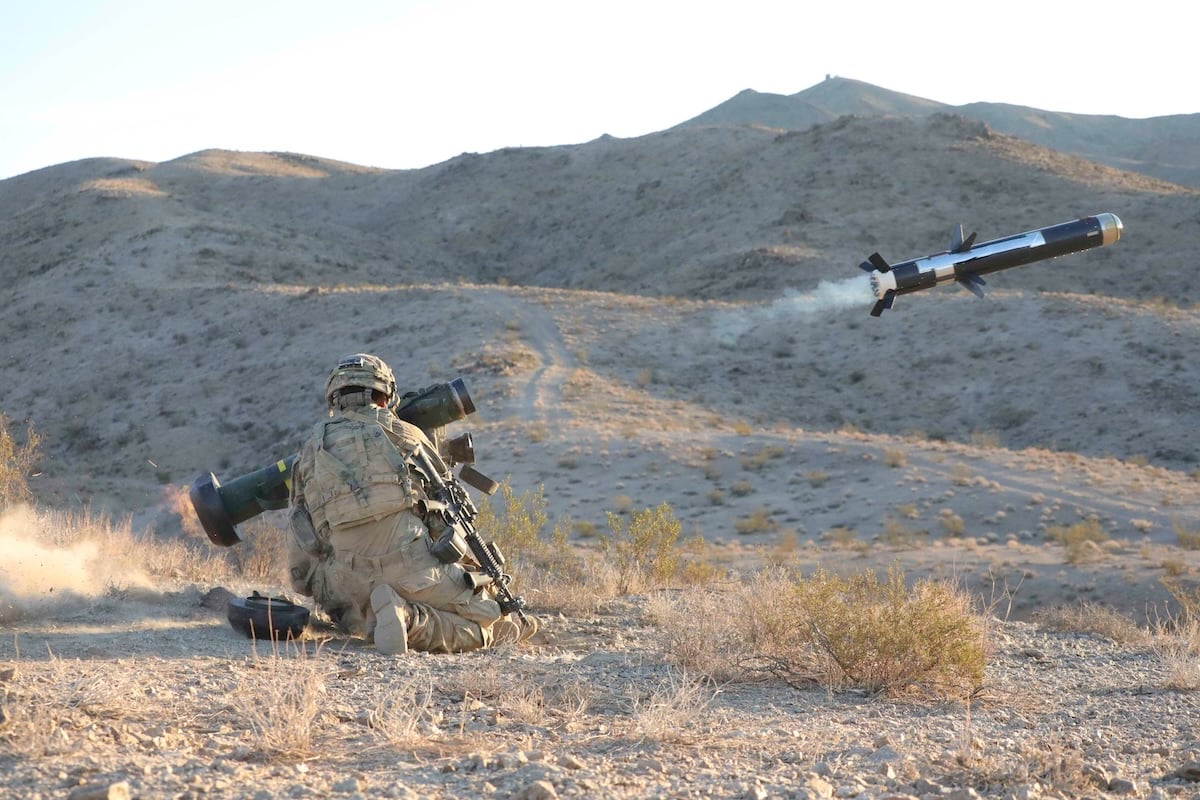
The US State Department approved a potential $832 million sale to Egypt of 2,020 FGM-148F Javelin anti-tank missiles and 200 lightweight command launch units. A separate proposed deal would let the UAE buy $1 billion of APKWS-II guidance sections, and Breaking Defense also notes Patriot repair approvals.

Why it matters: The approvals show continued US arms support for Middle Eastern partners, and a belief that a strong middle east cannot be a part of a large centralised American security architecture, rather multiple layers of smaller, more decentralised yet powerful security architectures and alliances.

Sources: Defence Industry Europe ↗ · Breaking Defense ↗

Photo: Defence Industry Europe

3Germany arrests former intelligence chief over alleged spying

Germany's federal prosecutor's office said August Hanning was arrested on Tuesday on suspicion of espionage. He was president of the Federal Intelligence Service (BND) from December 1998 to November 2005.

Why it matters: With reports suggesting that more than 2,000 sensitive documents were leaked, the case represents an unprecedented breach of Germany’s intelligence apparatus and raises wider concerns for Western intelligence agencies. It could also undermine trust among allied nations and make intelligence-sharing more cautious at a time when close coordination remains critical.

Sources: The Guardian – World ↗

Photo: The Guardian – World

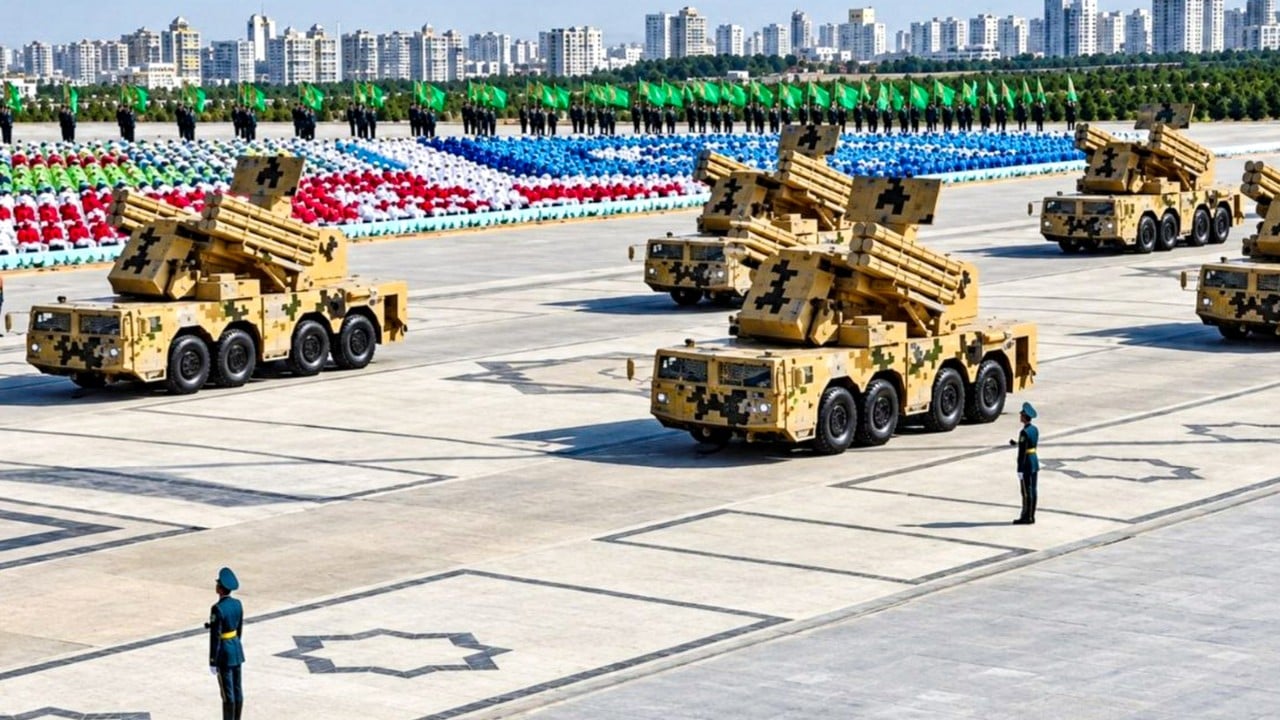
4Turkmenistan adds Chinese FK-2000 air defence systems

Footage of Turkmenistan's Independence Day parade in Ashgabat on 27 September showed at least 10 FK-2000 missile-and-gun vehicles, along with other Chinese-made military equipment. The FK-2000 was developed by the state-owned China Aerospace Science and Industry Corporation and joins Turkmenistan's growing stock of Chinese air defences.

Why it matters: The purchases highlight Beijing’s growing role in the Central Asian arms market, which was once dominated by Russia. Turkmenistan’s acquisitions reflect a broader regional trend in which China is capturing demand for modern, cost-effective weaponry that can complement existing Soviet- and Russian-origin equipment. Chinese systems also often come with fewer political conditions and less restrictive export controls than comparable Western offerings, making them increasingly attractive to Central Asian states.

Sources: South China Morning Post – China ↗

Photo: South China Morning Post – China

All reporting and photos belong to the original publishers.

← All Daily Briefs

Get the Daily Brief by email

The day's most important defence and security developments, every morning. Free. Unsubscribe any time.